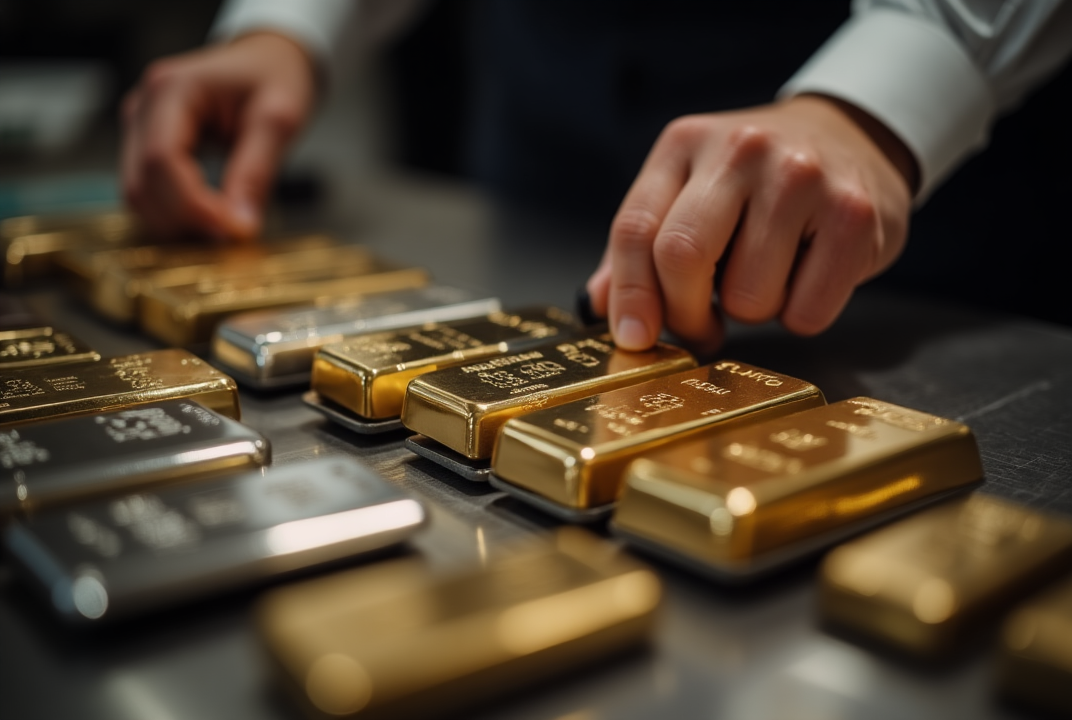
Gold and silver are precious metals with unique roles in the commodity and financial markets, serving both industrial and investment purposes. Gold is often considered a safe-haven asset, meaning its price tends to rise during periods of economic uncertainty, geopolitical turmoil, or high inflation, as investors seek to preserve wealth. It has an inverse relationship with the US dollar and interest rates (a stronger dollar or higher rates typically weigh on gold). Gold is also used in jewelry, technology, and as a store of value. Silver, often referred to as "poor man's gold," shares some of gold's safe-haven characteristics but is also a significant industrial metal, used extensively in electronics, solar panels, and photography. This dual demand makes its price more sensitive to economic growth cycles compared to gold. Both metals are typically traded as spot prices, futures contracts (e.g., COMEX), or through ETFs. Fundamental analysis for gold and silver involves monitoring global economic data, interest rate expectations, geopolitical tensions, and supply-demand dynamics from mining output and industrial consumption. Their roles as inflation hedges and safe havens make them crucial components of many diversified portfolios.





 Japan
Japan  English


